What It's Actually Like to Live in Laguna Beach
What Is It Really Like to Live in Laguna Beach?
Living in Laguna Beach is highly location-specific. The city spans 8.84 square miles with roughly 22,500 residents and six million annual visitors, a combination that shapes daily life around micro-neighborhoods, beach access, terrain, and seasonal rhythm. Where you live within Laguna determines how you commute, park, shop, and spend your time outdoors.
By Victor Vasu & Suzanne Vasu | May 22, 2026
If you only know Laguna Beach from weekend visits, you're missing the part that matters most for a real estate decision: what daily life actually looks like once you live here.
The scenery is real. So is the traffic on PCH at 5 p.m. on a Friday. So is the reward of walking to Main Beach on a Tuesday morning when the tourists are gone.
This is the Laguna Beach that buyers need to understand before they commit. It's also the one sellers need to communicate clearly to the right buyer.
It's Not One Beach Town. It's Several.
Laguna Beach is often described as a single coastal city, but that framing undersells how much micro-location determines your daily experience.
The city doesn't follow a typical suburban grid. Mountains, greenbelts, and seven miles of protected coastline shape where roads go, where neighborhoods sit, and how residents move through the day. You could live in Top of the World with canyon trail access and panoramic views, or you could live steps from Main Beach with everything walkable. Those are fundamentally different lifestyles, closer to the difference between canyon and coast living in Laguna Beach than most buyers expect going in.
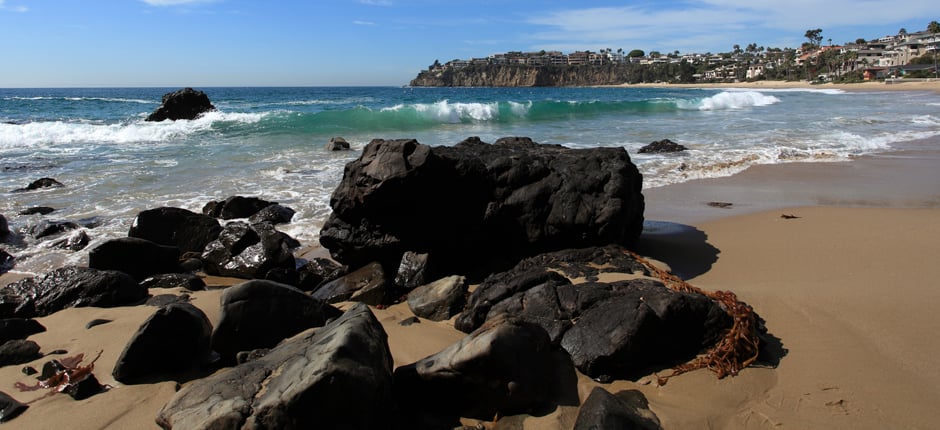
The city has 26 beaches and coves across its coastline. That scale is part of what gives Laguna its character: it functions more like a collection of connected enclaves than a single uniform beach town. Your daily routine, your commute time, your parking situation: all of it shifts depending on which enclave you're in.
Some of those enclaves are private. Emerald Bay, Irvine Cove, and Three Arch Bay are gated coastal communities with private beach access, distinct from the public-facing neighborhoods that most visitors experience. Buyers considering these areas are entering a different layer of Laguna entirely, with HOA governance, private security, and amenity structures that define how residents use the water and the community around them. Understanding the differences between these enclaves and the broader city is one of the first things worth getting right.
Beach Access Is More Complicated Than It Looks
One of the most important things buyers ask me is whether they'll actually use the beach if they live here. The honest answer is yes, but the experience varies enormously by location.
Main Beach is the most central, most walkable stretch. It sits where Broadway meets Coast Highway with a boardwalk, volleyball and basketball courts, restrooms, showers, and direct walking access to downtown restaurants, coffee shops, and shops. If you want the most livable, walkable version of Laguna, this is where it shows.
The tradeoff: Main Beach is also where most of the six million annual visitors land. Summer mornings are a different experience than February mornings.
The coves north and south tell a different story:
- Crescent Bay offers restrooms and showers but draws 2,000-4,000 people on peak days, with the city flagging strong shorebreak and rip currents
- Treasure Island can get congested on weekends and hot summer days
- Woods Cove and Lovers Cove are quieter, popular for swimming and tide pooling
- Victoria Beach draws skimboarders and bodysurfers, with no public restroom on site
- Thousand Steps is South Laguna's largest beach, with restrooms at the bottom, though the city also warns of rip currents
These details matter more than most buyers realize. If beach access is part of your daily routine (not just a weekend habit), the facilities, parking, stairs, and seasonal crowd patterns at your nearest cove shape how often you'll actually go.
The Outdoor Life Goes Far Beyond the Sand
This is one of the things that surprises people who picture Laguna purely as a beach destination: it's also a serious trail city.
The city maintains miles of hiking and biking routes with ocean views, hillside vistas, and canyon connections, with many trailheads built directly into neighborhoods. A significant portion of residents structure their mornings around the trails, not the water.
Most routes connect into Aliso and Wood Canyons, and Crystal Cove State Park adds 3.2 miles of beach alongside 2,400 acres of undeveloped land for hiking, camping, horseback riding, surfing, tide pools, and mountain biking.
For many buyers, especially those coming from inland cities, trail access turns out to be just as important as beach proximity when they actually map out how they'd spend their time.
Hillside Living Has a Different Set of Rules
Neighborhoods like Arch Beach Heights, Bluebird Canyon, and Top of the World offer privacy, elevation, and open-space access that flat coastal neighborhoods can't replicate. The views from these areas are legitimate, the kind that make how to stage an ocean view home in Laguna Beach its own specialty. So is the lifestyle.
But hillside living comes with practical considerations that matter before you buy, not after.
Road patterns are more constrained. Parking is different. The city publishes evacuation zones for neighborhoods including Arch Beach Heights, Bluebird Canyon, Canyon Acres, Downtown, Emerald Bay, Irvine Cove, and Top of the World, and red-flag parking restrictions apply to select canyon and hillside areas during high-fire conditions.
None of this disqualifies hillside living. Plenty of long-term Laguna residents wouldn't trade their canyon views for anything. But these are the location-specific factors that belong in any honest conversation about what a particular home actually delivers day to day.
The Arts Calendar Is a Real Part of Daily Life
Laguna's arts identity isn't just a marketing narrative. It's woven into how the city actually functions, and for full-time residents, the summer arts season is something you plan around.
The Sawdust Art Festival, Festival of Arts, Laguna Art-A-Fair, and the Pageant of the Masters all run in or near Laguna Canyon during the summer months. During that period, local traffic patterns shift in ways long-term residents know well. Parking, road timing, and weekend rhythms all adjust.
Outside festival season, the city's arts programming continues through public art, mural installations, and the monthly First Thursdays Art Walk (6-9 p.m., with free trolley service). The Saturday Farmers Market at the Lumberyard Parking Lot runs 8 a.m. to noon with more than 40 vendors, the kind of recurring ritual that makes Laguna feel like a community rather than a destination, not unlike the Sunset Beach Art Festival on the greenbelt up the coast.
The Housing Stock Is Genuinely Different
One of Laguna Beach's defining traits is what it doesn't have: tract housing.
Most homes were built individually, which is why you see Craftsman, bungalow, beach cottage, Period Revival, Moderne, and eclectic styles sharing the same street. The city notes that beach cottage style is indigenous to Laguna Beach and South Laguna specifically, and that about 25% of lower Laguna's housing stock predates 1940.
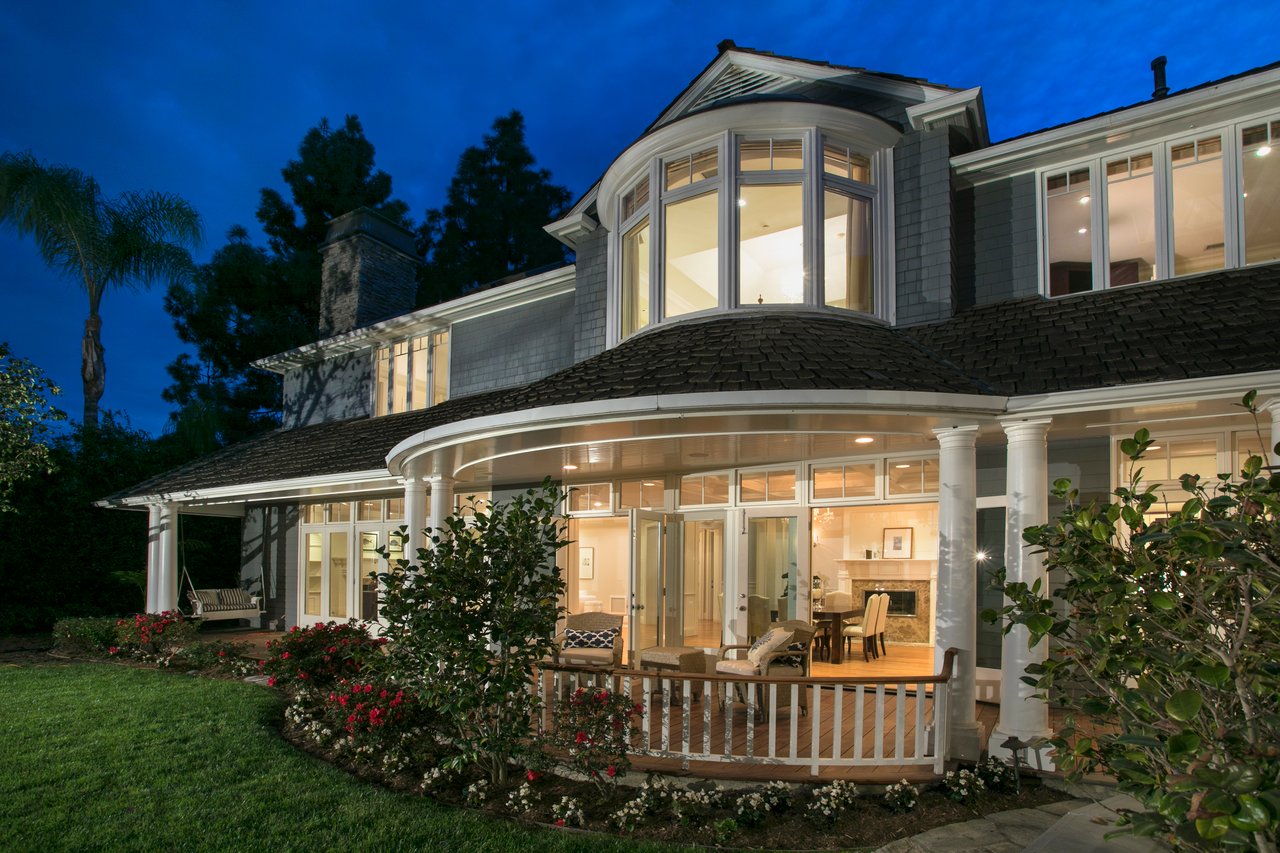
For buyers, this means two homes on adjacent streets can live completely differently: different lot usability, different view corridors, different parking situations, different renovation potential. Valuation here requires understanding architecture and site conditions block by block, not just running comps by ZIP code, which is exactly why price per square foot understates a luxury home's real value in this market.
For sellers, it means the right buyer needs to understand why your home is priced the way it is. That story takes local fluency to tell well.
Getting Around: What Car-Light Actually Means Here
Laguna Beach has real transit infrastructure. The city runs free trolley service along the coast, connecting North Laguna, downtown, South Laguna, Mission Hospital, and the Ritz Carlton in Dana Point. It also offers Laguna Local, a free on-demand service with more than 150 pickup and drop-off locations and an average 15-30 minute wait time.
That works well as a supplement. For some buyers near downtown and Main Beach, it genuinely supports a car-light lifestyle.
For hillside neighborhoods and south-cove areas, a car remains central. Roads funnel through a limited number of corridors: Pacific Coast Highway and Laguna Canyon. On peak days, that creates real friction. Your commute time and approach to parking aren't minor considerations here; they're part of how the city actually works.
The Numbers Behind the Market
The housing data from Census QuickFacts is worth knowing before you buy or sell:
- 66.1% owner-occupied housing rate, an ownership market rather than a transient one
- $2,850,000 median owner-occupied home value
- 29 minutes mean travel time to work
That profile tells you what kind of market Laguna Beach is: high-value, ownership-heavy, and deliberate. Buyers here aren't making impulse decisions, and sellers are typically working with properties that carry genuine provenance. Every transaction benefits from precise local knowledge, not broad strokes.
Frequently Asked Questions
What should I know about daily life in Laguna Beach before buying?
Location within the city is everything. Your commute patterns, beach access, parking situation, outdoor lifestyle, and seasonal experience all depend on which neighborhood you choose. Downtown and Main Beach offer the most walkable, transit-supported lifestyle, hillside and south-cove areas offer more privacy and views with more car dependence. Talk through specific neighborhoods before you narrow your search.
Can you live car-free or car-light in Laguna Beach?
In the downtown and Main Beach area, yes. The free trolley and Laguna Local on-demand service make it workable. In hillside neighborhoods or South Laguna, a car remains essential. PCH and Laguna Canyon are the primary corridors, and traffic during summer and festival season is a real planning factor.
What makes Laguna Beach homes worth more than comparable coastal properties?
Very little tract housing exists here. Most homes were built individually, which means architectural character, view orientation, lot usability, and proximity to specific beaches or trails vary enormously, and all of those factors carry real premium value. The 25% of lower Laguna stock that predates 1940 adds historic provenance to certain properties that doesn't exist elsewhere in OC.
How do the annual art festivals affect everyday life for residents?
The summer festivals (Sawdust, Festival of Arts, Art-A-Fair, and Pageant of the Masters) bring significant visitor traffic to Laguna Canyon and the surrounding area. Long-term residents plan around them, timing grocery runs, adjusting commute hours, and treating certain roads as effectively seasonal during peak weekends. It's manageable, but it's part of the rhythm.
Is Laguna Beach right for full-time living or better as a second home?
It works well for both, but the daily realities are different. Full-time residents build routines around specific coves, trailheads, and the farmers market. Second-home buyers often prioritize walkability to Main Beach and downtown, and it's worth checking what the Laguna Beach rental data actually shows if you're weighing a trial run before buying. The right answer depends on how you'll actually use the property and which neighborhoods match that use pattern.
Whether you're buying your primary residence, a second home, or preparing to sell in Laguna Beach, the decisions you make are shaped by details most people don't surface until after they've committed. Neighborhood layout, beach access, terrain, and seasonal rhythm aren't fine print. They're what makes one property worth significantly more than another a few streets away.
That's the kind of guidance I offer at every stage of the process. If you're thinking through Laguna Beach for your next move or your current listing, let's talk through the specifics.
Call or text Victor Vasu & Suzanne Vasu: 949-677-5268. Or [email protected] | vasuteam.com
About Victor Vasu & Suzanne Vasu
Victor Vasu and Suzanne Vasu are Global Real Estate Advisors with Pacific Sotheby's International Realty, serving coastal Orange County, Corona del Mar, Newport Beach, and Laguna Beach. With 35 years in the market, recognized by the Wall Street Journal for sales volume, and direct experience working with CoreLogic, the nation's largest real estate analytics provider, Victor brings an analytical edge that most agents in this market cannot match. He has represented hedge funds, family offices, and private clients on properties ranging from $3M coastal condominiums to a $30M Lido Isle estate, and has successfully sold over 1,300 expired and cancelled listings that other agents couldn't close. DRE #01015709 & #01002943. Contact him at [email protected] or 949-677-5268.