Laguna Beach Canyon Versus Coast Living
Wondering whether Laguna Beach feels better from the canyon side or near the coast? It is a smart question, because in Laguna Beach, your daily routine can change dramatically from one area to the next, which is part of why it helps to understand what living in Laguna Beach is actually like before narrowing in on one side of town. If you are weighing lifestyle, access, views, walkability, and practical ownership factors, this guide will help you compare the two and ask better questions before you buy. Let's dive in.
Why Laguna Beach Feels So Different
Laguna Beach is shaped by terrain in a way that is unusual for Orange County. The city describes a compact seaside community with steep hillsides, rugged canyon bottoms, prominent ridgelines, and a coastal fringe along Pacific Coast Highway.
That physical layout creates very different living patterns across just 8.84 square miles. With about 23,000 residents and roughly six million visitors a year, traffic, parking, and access can feel very different depending on whether you live closer to the shoreline, in the hills, or deeper in the canyons.
Canyon Living in Laguna Beach
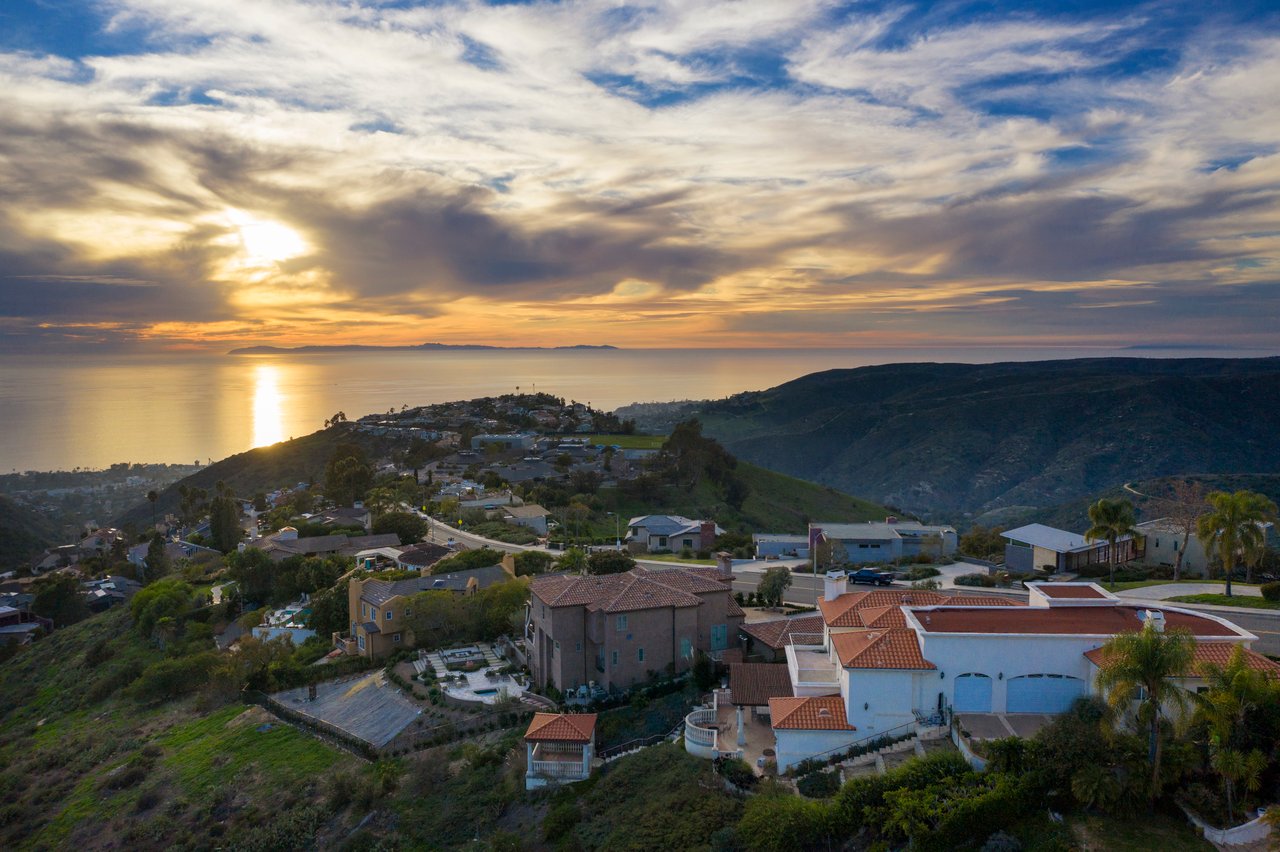
Canyon and hillside neighborhoods often appeal to buyers who want a setting shaped by nature and topography. In these areas, the landscape is not just the backdrop. It affects the way you drive, walk, park, and move through your day.
What the Setting Feels Like
Bluebird Canyon is one of the clearest examples of canyon living. The city describes steep hillsides, natural open space, Bluebird Creek, narrow winding streets, eucalyptus trees overhanging the roadway, and a mix of cottages and newer homes.
Arch Beach Heights offers a related but distinct hillside experience. It sits high on one of Laguna Beach's hillsides, with narrow lots, generally narrow two-story homes and carports, limited planting space along the street, and ocean and canyon views for many homes.
In practical terms, canyon living often feels more tucked away and terrain-driven. Streets may curve more, lots may feel less uniform, and your sense of space may come from hillsides, trees, and open land rather than a traditional grid.
How Daily Life Can Change
If you live in the canyons, your routine may lean more toward driving and trail access. Laguna Beach reports that many trails are groomed and well marked, with trailheads in neighborhoods and local parks.
Some of those trails connect to OC Parks' Aliso and Wood Canyons Wilderness Park, a 4,500-acre wildlife sanctuary with more than 30 miles of official trails. For buyers who enjoy hiking and open-space access, that can be a meaningful lifestyle advantage.
What Buyers Should Think Through
Canyon living also calls for more attention to access and preparedness. The city identifies Bluebird Canyon, Canyon Acres, and Diamond/Crestview as access-impaired during Red Flag warnings because of narrow, winding roads.
That does not mean these areas are not desirable. It means you should think carefully about egress, parking, vegetation management, and how comfortable you are with a neighborhood where the terrain plays a major role in daily logistics.
Coast Living in Laguna Beach
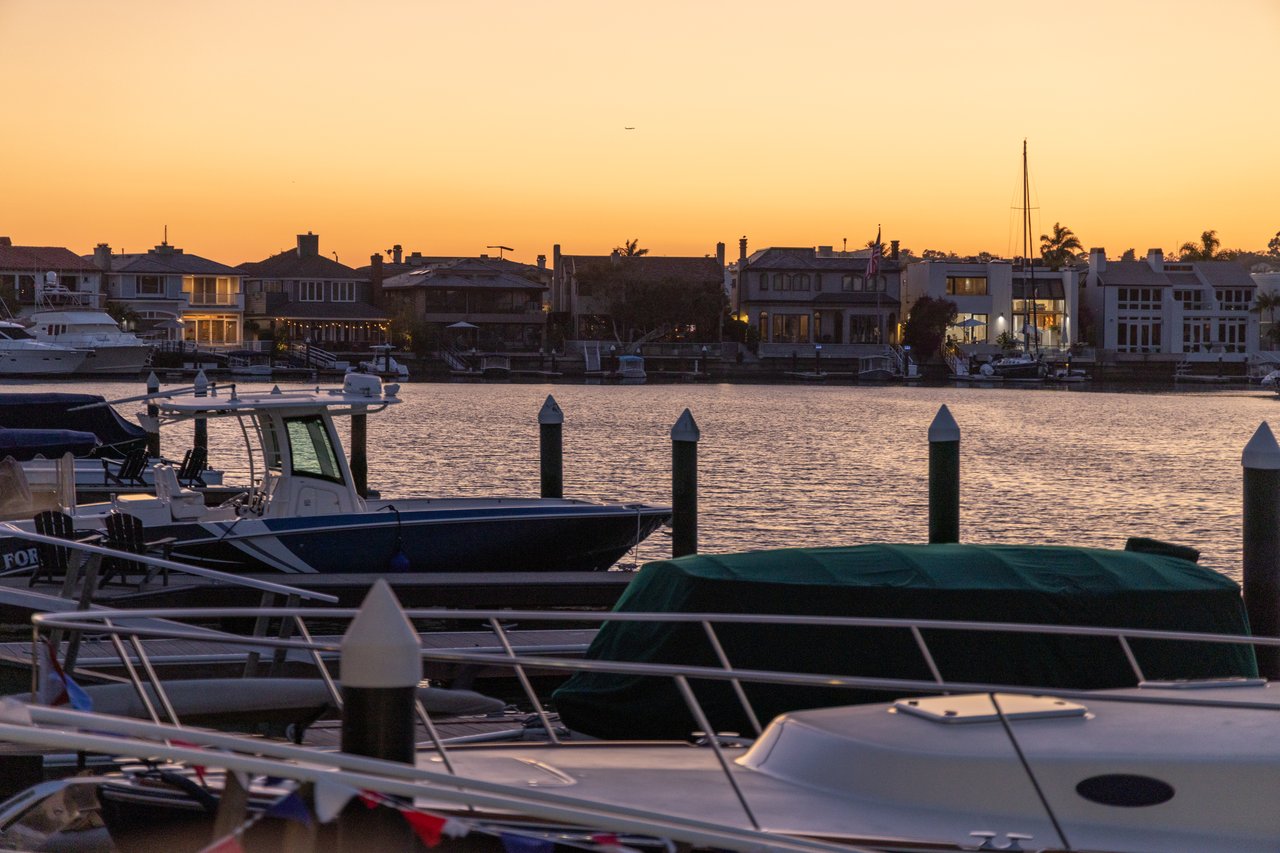
Living closer to the coast can offer a very different rhythm. For many buyers, the draw is simple: easier beach access, proximity to downtown amenities, and a stronger connection to Laguna's classic seaside atmosphere.
Coast-Close Does Not Mean One Look
One important detail is that coast-close Laguna Beach is not a single housing style or street layout. The city describes North Laguna as having grid-pattern streets and substantial tree cover, while Crescent Bay has tight lots, limited setbacks, small planting areas, and broad ocean views, the kind of view-driven property where how to stage an ocean view home in Laguna Beach becomes part of the value story down the line.
Woods Cove and Lower Bluebird are described as richly vegetated, while South Laguna Village has a rustic character with small houses, wood fences, stone walls, and naturalistic landscaping. Some ocean-close areas, including Hillcrest and Sunset Ridge, still have steep streets and hillside conditions.
So the choice is not always canyon versus coast in a strict sense. In Laguna Beach, it is often more of a spectrum, with some coast-close homes still shaped by hillside terrain.
What the Coastal Routine Looks Like
Main Beach helps explain why many buyers prioritize the ocean-close side. The city calls it the largest and most popular beach in Laguna, located in the middle of town where Broadway and Ocean Avenues meet Coast Highway, with a boardwalk and a short walk to restaurants and shopping downtown.
If you picture mornings by the water, easy access to dining, or a more walkable connection to activity centers, living near the coast may align better with that vision. The appeal is often less about square footage and more about how quickly you can step into the Laguna Beach experience.
Getting Around Matters
Transportation can be a major part of the coast-side lifestyle. Laguna Beach offers free coastal trolley service along Coast Highway between North Laguna and Heisler Park, downtown, South Laguna and Mission Hospital, and Dana Point.
The city also offers free Laguna Local on-demand shared-ride service between residential neighborhoods and major activity centers. For some buyers, that added mobility can make coast-close living feel easier, especially during busy periods.
Parking and Guest Access Matter Too
Beach-close living also comes with practical tradeoffs. The city notes that some areas have three-hour metered parking and limited neighborhood parking, with active enforcement.
That is why it helps to think beyond the view. If you are considering a coast-close home, ask yourself how easily you can host guests, manage everyday parking, and move between the house, the beach, and downtown on a typical weekday.
Canyon Versus Coast at a Glance
Both lifestyles can be compelling, but they support different priorities. Here is a simple side-by-side view based on city information.
Consideration | Canyon/Hillside Living | Coast-Close Living |
|---|---|---|
Daily feel | More terrain-shaped, tucked away, trail-oriented | More beach-connected, activity-oriented, often easier access to downtown |
Streets | Often narrow and winding | Can range from grid-pattern streets to steep hillside roads |
Access | More driving-dependent in many areas | Trolley and shared-ride options may help with mobility |
Outdoor lifestyle | Strong trail and open-space access | Strong beach and boardwalk access |
Parking concerns | Narrow roads and access can matter during Red Flag conditions | Metered parking and limited guest parking can be an issue |
Home patterns | Mix of cottages, newer homes, narrow hillside lots | Wide range of styles, from rustic cottages to view-oriented homes |
Questions to Ask Before You Choose
In Laguna Beach, the right fit often comes down to how a home functions day to day. The city's policies and neighborhood patterns show that access, wildfire preparedness, and compatibility can vary sharply from one block to the next.
As you tour homes, keep these questions in mind:
- How steep are the street, driveway, and entry steps?
- Is the property in or near a Red Flag parking or evacuation zone?
- How long is the walk to the beach, a trailhead, or downtown?
- How do guest parking and street sweeping work on this block?
- If remodeling is likely, what design review or coastal permit steps could apply?
These questions matter on both sides of town. In Laguna Beach, terrain and regulation can shape a property almost as much as price point or lot size, which is also why price per square foot understates a luxury home's real value here more than in most markets.
Design and Approval Considerations
Laguna Beach homes are often influenced by both the land and the city's design framework. The city's residential design guidelines aim to preserve neighborhood character, scale, siting, and materials across a community that includes old and new, large and small, traditional and contemporary homes.
The city also identifies hillside development as a specific design issue. Its Local Coastal Program includes residential design guidelines, hillside development guidelines, fuel-modification guidelines, shoreline-protection guidelines, and several specific plans.
For you as a buyer, that means future changes may involve more than design preference alone. If you are considering a remodel, expansion, or major update, it is wise to understand early how local review standards may affect the property.
Which Laguna Beach Lifestyle Fits You?
If you value trail access, open space, a more secluded setting, and a home experience shaped by hillsides and canyon roads, the canyon side may feel like the better fit. If you picture a more beach-centered routine with easier access to downtown activity, boardwalks, and coastal amenities, coast-close living may be more aligned with your goals.
The key is not deciding which side is better in general. It is deciding which side fits the way you want to live, move, host, and own property in Laguna Beach. If renting for a season first is part of your thinking, what the Laguna Beach rental data actually shows is worth a look before you commit to a side of town.
When you are comparing homes in a market this nuanced, local insight matters. The right guidance can help you evaluate not just the home itself, but also the street, access pattern, neighborhood context, and long-term usability. And once you're ready to write an offer, it helps to know whether a cash offer really beats a higher financed offer on the specific home you land on. If you are weighing canyon versus coast living in Laguna Beach, Vasu Team can help you make a confident, well-informed decision.
FAQs
What is the main difference between canyon and coast living in Laguna Beach?
Canyon living is often more shaped by steep terrain, winding streets, and trail access, while coast-close living is often more connected to beaches, downtown, and shoreline activity.
What should buyers know about Laguna Beach canyon access?
The city identifies some canyon neighborhoods, including Bluebird Canyon, Canyon Acres, and Diamond/Crestview, as access-impaired during Red Flag warnings because of narrow, winding roads.
What should buyers know about parking near the Laguna Beach coast?
Some coastal areas have three-hour metered parking and limited neighborhood parking, so it is important to ask how guest parking and daily parking work on a specific block.
Are coast-close Laguna Beach neighborhoods always flat and walkable?
No. The city notes that some ocean-close neighborhoods still have steep streets and hillside conditions, so coast-close living can vary a lot by location.
What lifestyle benefits come with canyon living in Laguna Beach?
Many canyon and hillside areas offer access to neighborhood trailheads and connections to larger open-space systems, including Aliso and Wood Canyons Wilderness Park.
What should buyers ask before buying a Laguna Beach home?
Buyers should ask about street and driveway steepness, Red Flag access issues, distance to the beach or trails, guest parking rules, and whether future remodeling could require design review or coastal permits.
Contact Victor Vasu at [email protected] or 949-677-5268.
About Victor Vasu & Suzanne Vasu
Victor Vasu and Suzanne Vasu are Global Real Estate Advisors with Pacific Sotheby's International Realty, serving coastal Orange County, Corona del Mar, Newport Beach, and Laguna Beach. With 35 years in the market, recognized by the Wall Street Journal for sales volume, and direct experience working with CoreLogic, the nation's largest real estate analytics provider, Victor brings an analytical edge that most agents in this market cannot match. He has represented hedge funds, family offices, and private clients on properties ranging from $3M coastal condominiums to a $30M Lido Isle estate, and has successfully sold over 1,300 expired and cancelled listings that other agents couldn't close. DRE #01015709 & #01002943. Contact him at [email protected] or 949-677-5268.