When Should You Start Preparing Your Coastal OC Home to Sell?
For Newport Beach, Corona del Mar, and Laguna Beach sellers targeting the spring listing window (late February through June), preparation should begin 60 to 120 days before your target list date, meaning December or January. For the fall window (September through early November), start in June or July. The contractors, inspectors, and photographers you need are booked out, and the disclosure paperwork takes longer than most sellers expect.
If you are sitting on a Coastal OC home and wondering when to start preparing it to sell, you are asking one of the most common questions I hear. It is a fair question, and the timeline isn't just about getting the house ready. It's about protecting your negotiating position once you're in contract.
Here's what I mean. Buyers in Newport Beach, Corona del Mar, and Laguna Beach hire thorough inspectors, and they read a rushed listing quickly. If you haven't addressed the obvious issues before you list, you'll be responding to what they find instead of controlling the conversation. Let me map this out for you.
The Two Prime Windows, and Why Coastal OC Has Its Own Rhythm
Nationally, the National Association of REALTORS® identifies spring (March through May) and early fall (September through October) as the peak periods for listing activity and buyer demand. Coastal Orange County follows that pattern, but with a longer active season driven by mild weather year-round.
In my experience working with sellers across Newport Beach, Corona del Mar, Laguna Beach, and Newport Coast, the windows look like this:
Spring window: Late February through June. Out-of-area buyers are planning summer use of second homes. Coastal weather is ideal for showings. Inventory is typically better than winter but still constrained in luxury submarkets.
Fall window: September through early November. Families have settled into the school year. Discretionary buyers want to close before year-end, and serious buyers are shopping without summer distractions.
Slower periods: Mid-summer and the winter holiday stretch (late November through January) tend to be quieter, though ultra-luxury listings can sit longer regardless of season.
According to Orange County REALTORS® market updates, coastal submarkets like Newport Beach and Laguna Beach historically show higher median prices, longer days on market, and a higher share of discretionary, cash, and second-home purchases compared with inland Orange County. That matters for your timeline: a discretionary buyer won't rush. Your home needs to make a strong first impression from day one.
As of May 2026, the most recent data available from the California Association of REALTORS® shows Orange County closed sales and new listings running above 2024 levels, with inventory slowly improving but still below pre-2020 norms and continued upward price pressure in coastal submarkets. That context matters, but what matters more for your decision is whether your home is ready to compete at its price point when the next window opens.
For the broader view of what preparing a coastal OC home involves beyond timing, see our full guide to preparing your home to sell in Coastal Orange County.
Newport Beach and Corona del Mar. High proportion of move-up, luxury, and second-home buyers. Late February through June is the strongest showing period, as coastal weather draws out-of-area buyers planning summer use. September through early November is a reliable second window.
Laguna Beach. Many older hillside and oceanfront homes with unique architecture and condition considerations, including settling, retaining walls, and older plumbing and electrical systems. Strong spring and early summer activity tied to weather; fall can be excellent once summer tourism subsides and serious buyers emerge.
Your Prep Timeline: Working Backward From Your List Date
Think of this as three phases. Each has a job to do, and they don't compress well, especially in coastal neighborhoods where HOA approvals, city permits, and specialized inspections add lead time that sellers consistently underestimate.
Phase | Timing Before List Date | Key Actions |
|---|---|---|
Phase 1: Foundation | 60 to 120 days out | Declutter, depersonalize, book contractors, gather records, start HOA and permit process |
Phase 2: Inspection and Decisions | 60 days out | Pre-listing inspection, repair vs. disclose decisions, TDS and SPQ prep, unpermitted work review |
Phase 3: Presentation | 30 days out | Staging, professional photography and video, landscaping, finalize disclosure packages |
Phase 1: 60 to 120 Days Out, Foundation Work
Declutter and depersonalize first. Coastal OC buyers are often moving from similar-caliber homes, and they expect clean, minimal interiors that let them picture their own life in the space. This takes longer than you think, especially in a home you've lived in for years.
Book contractors now, not later. In Newport Beach and Laguna Beach, I often see sellers lose three to four weeks simply because they wait until they're ready to list before calling contractors. By then, painters, stagers, and photographers are already booked. If you need exterior work, such as new railings, window servicing, or deck repairs, and you're in a community like Newport Coast or a gated Corona del Mar enclave, you may need HOA architectural review approval before any work begins. That process can add two to four weeks to your timeline on its own.
The City of Newport Beach and the City of Laguna Beach each have their own building permit requirements for structural, electrical, and plumbing work, so don't assume a repair is permit-free until you've confirmed it.
Gather your records. This is the step most sellers skip, and then scramble to complete later. Pull together permits and building records for any remodels, HOA documents and CC&Rs, past inspection reports, geotechnical or engineering studies (especially relevant in hillside Laguna Beach and beachfront Newport), and receipts for major system work. These feed directly into your Transfer Disclosure Statement and Seller Property Questionnaire. Having them organized at Phase 1 makes Phase 2 dramatically easier.
Phase 2: 60 Days Out, Inspection and Decisions
This is where I see sellers save the most money, or lose it.
Schedule your pre-listing home inspection. California law, per the California Department of Real Estate's disclosure guide (RE 6), requires sellers to disclose known material defects via the Transfer Disclosure Statement (TDS), governed by California Civil Code §§ 1102 to 1102.14. Sellers are not legally required to hire inspectors to search for unknown problems, but in coastal markets I strongly recommend it anyway.
Why? In beach-close neighborhoods on the Balboa Peninsula, Corona del Mar's ocean side of PCH, and Laguna's bluff-top streets, salt air accelerates corrosion of metal fixtures, railings, window hardware, and exterior lighting. Hillside properties in Laguna and Corona del Mar have drainage systems, retaining walls, and slope stabilization features that buyers and their inspectors scrutinize closely.
A pre-listing inspection, including specialized roof, moisture intrusion, retaining wall, and deck and balcony checks, lets you make decisions before the buyer's inspector does it for you. As Nolo's California seller disclosure guide explains, sellers who proactively identify issues can choose to repair them, disclose them as-is, or adjust pricing accordingly, rather than negotiating under pressure during escrow. If pricing is the lever you're weighing, how you price a Newport Beach home to protect equity goes into that decision in more depth.
Address unpermitted work now. If your pre-listing inspection or your own records reveal work done without permits, this is the moment to consult with your agent and possibly the city building department about whether to seek after-the-fact permits or disclose and price accordingly. Buyers in Newport Beach and Laguna Beach do their homework. They will find it, and the conversation is much easier when you've already addressed it.
Start your TDS and SPQ drafts. The TDS is completed by the seller (with a section by the listing agent) and must be delivered to the buyer as soon as practicable before transfer of title. If the buyer receives it after signing the purchase offer, they have a statutory right to rescind within three days if delivered in person, or five days if delivered by mail, per California Civil Code § 1102.3. In practice, I push to have the TDS completed before or very soon after listing, so it's ready for interested buyers immediately and doesn't create a late-delivery rescission right.
The Seller Property Questionnaire (SPQ) is a California Association of REALTORS® form, not required by statute but used as standard practice by virtually every C.A.R.-member agent in Newport Beach and Laguna Beach. It covers work done without permits, past leaks or water intrusion, insurance claims, HOA disputes, and neighborhood nuisances, such as PCH traffic noise, Newport Harbor nightlife, or Laguna's downtown restaurant activity. The SPQ is exactly why organizing your documentation in Phase 1 pays off here.
California also requires a Natural Hazard Disclosure (NHD) for most residential sales under California Civil Code § 1103. Coastal and hillside neighborhoods in Laguna Beach, Corona del Mar, and Newport Coast frequently fall into landslide, wildfire, and coastal flood study areas, so NHD reports are routine, and sellers often gather relevant geotechnical reports or drainage repair documentation ahead of time.
Phase 3: 30 Days Out, Presentation
Good marketing is what separates a fast sale from a stale listing. I've seen well-prepared homes sit because the photography didn't do them justice, and I've seen modest homes move quickly because the presentation was strong.
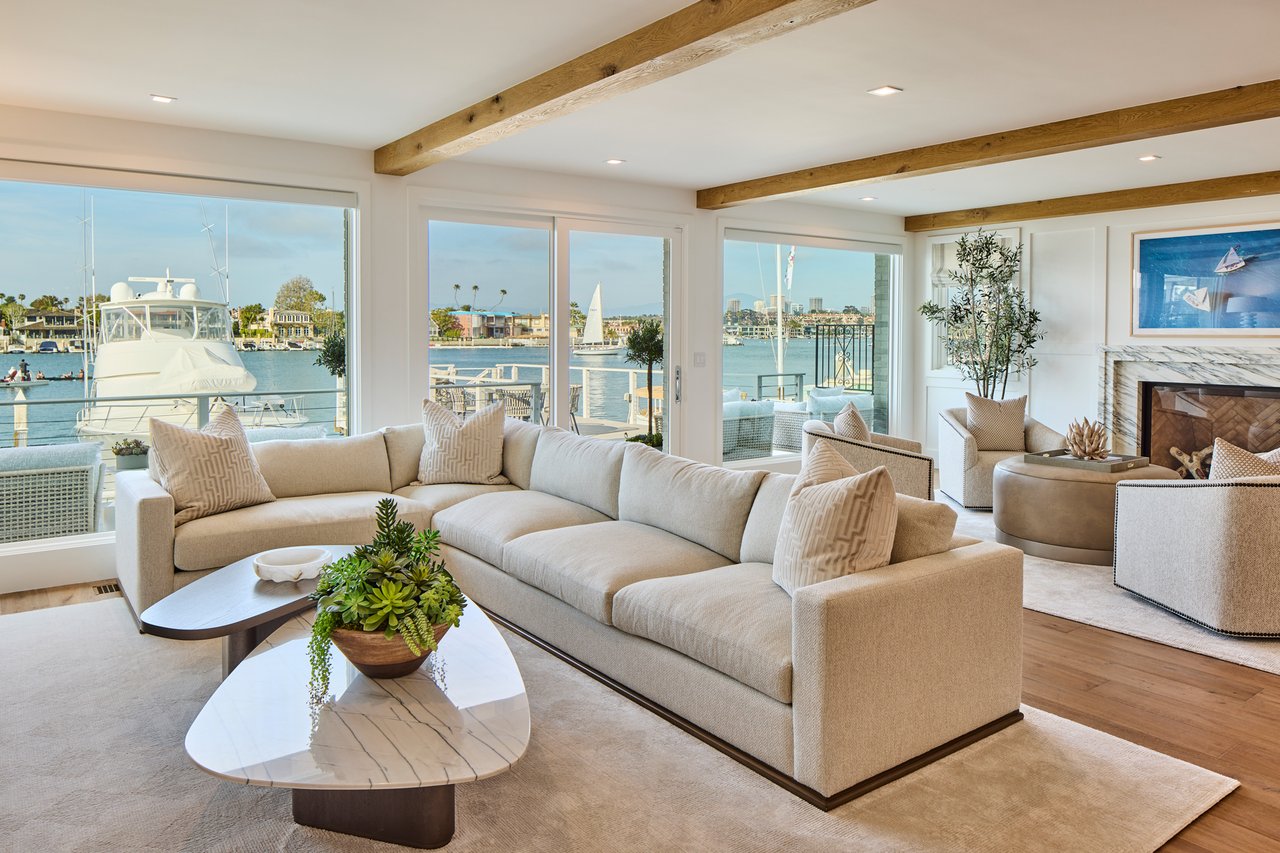
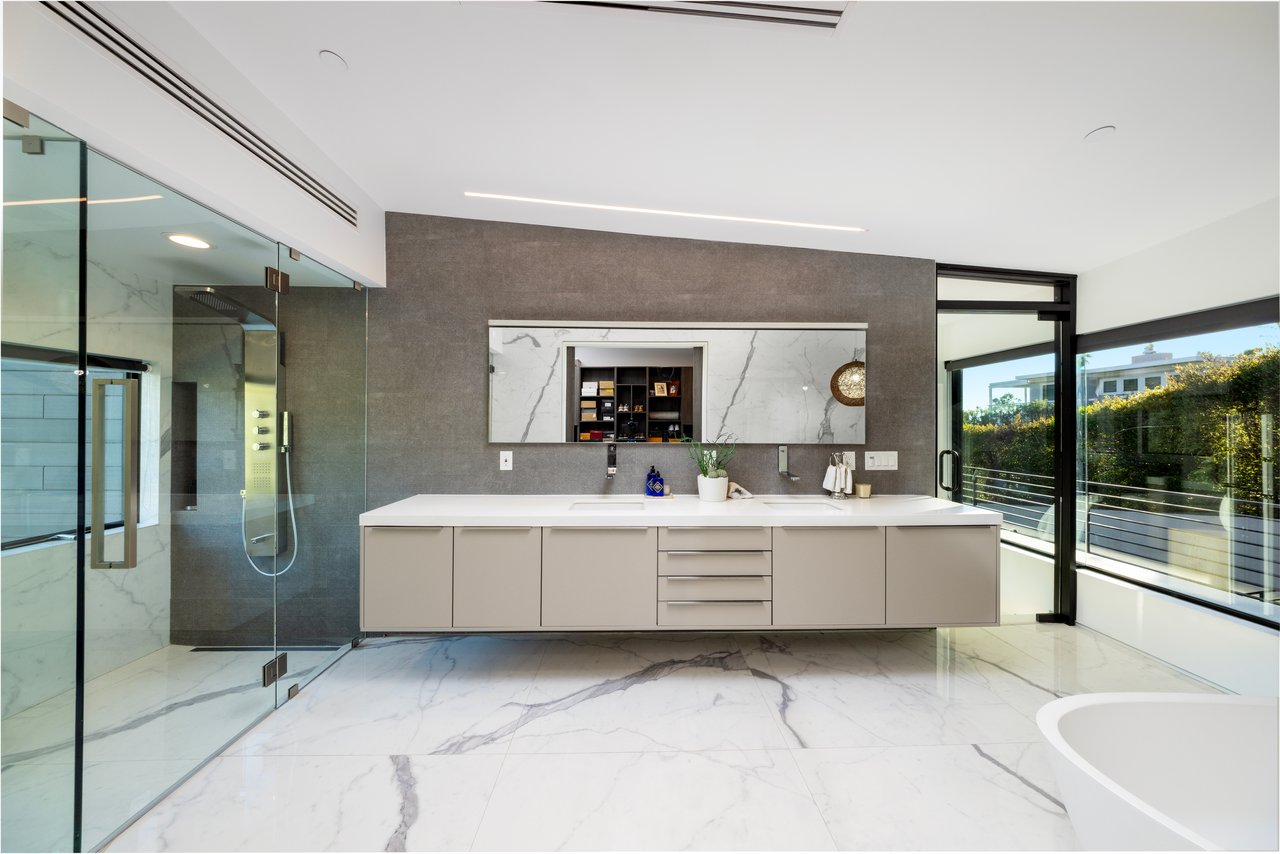
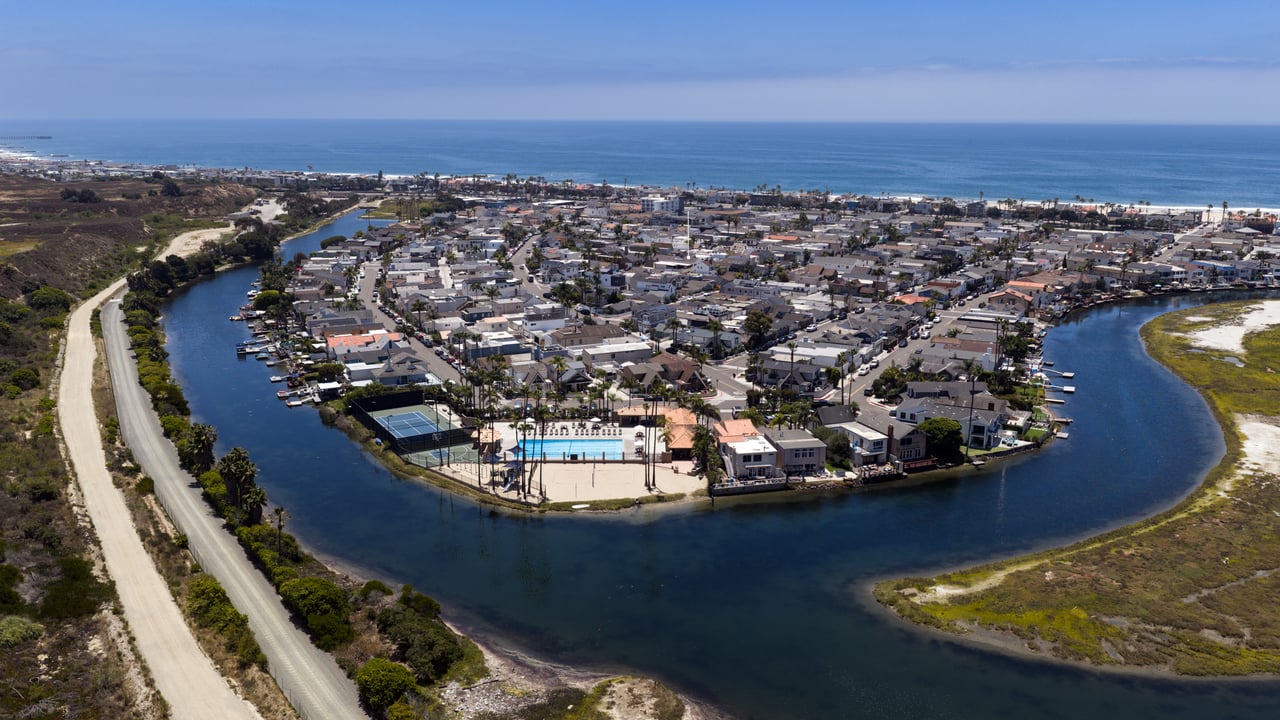
Professional photography, video, and twilight shots are non-negotiable at the luxury level, and aerial drone footage is standard in Newport and Laguna listings. For a closer look at what that preparation involves, see how to prepare your Newport Beach home for photography, video, and AI search. Book your photographer and stager at least three weeks out. Established professionals fill their calendars fast, especially heading into a spring or fall window.
Address exterior cosmetics last. Salt-air corrosion, rusted railings, stained concrete, and weathered wood trim are common coastal issues that are relatively quick to fix, but they photograph poorly and give buyers a reason to question the home's overall maintenance. Handle these in the final 30 days after the bigger work is done.
Landscaping and hardscape should be in strong shape for listing day. In coastal communities, this often means a professional cleanup and touch-up rather than a full redesign. For hillside and ocean-view properties, staging carries its own considerations, which is why we put together how to stage an ocean view home in Laguna Beach.
Your specific timeline depends on your home's condition, the neighborhood's HOA requirements, and the exact window you're targeting. That's where a detailed walkthrough with someone who knows this market helps, and it's exactly the kind of conversation I have with every seller before we build a plan.
From List Date to Closing: How Escrow Fits In
Once you accept an offer, a California residential sale typically moves through escrow in about 30 days, though 45-day or other negotiated timelines are common, as Nolo's California escrow guide notes. An independent escrow company (not your brokerage) holds earnest money, coordinates instructions from buyer, seller, lender, and title, and disburses funds when contingencies are satisfied.
Inspection and appraisal contingencies typically run in the first one to three weeks of escrow. That's when condition issues that could derail a sale or trigger repair credits get discovered, and it's a big part of why buyers occasionally walk during this stage. If you've done your prep work in the 60 to 120 days before listing, you'll enter escrow from a position of confidence rather than scrambling to respond to a buyer's inspection report, a topic I cover in more depth in why luxury buyers walk away during escrow in Newport Beach and Coastal Orange County.
One cost category worth knowing about: California imposes a documentary transfer tax on property transfers, with the statutory framework in California Revenue and Taxation Code §§ 11911 to 11913. The Orange County Clerk-Recorder is the authoritative source for the county rate, and some cities may have additional local transfer taxes. Who pays, buyer or seller, is negotiable in the purchase contract, not set by state law. Escrow fees, title fees, and HOA transfer fees are similarly negotiated.
For a personalized picture of what your net proceeds will look like, that's a conversation to have directly with me, not something to estimate from a blog post.
Frequently Asked Questions
When is the best month to list in Newport Beach or Laguna Beach to catch the spring buying rush?
To catch the heart of the spring window, most Newport Beach and Laguna Beach sellers aim to list between late February and April. That means starting your prep in November or December, 60 to 120 days out. Listing too late in the spring window means competing with more inventory and missing the buyers who go under contract early.
How far in advance should I start decluttering and doing minor repairs if I want to sell in Corona del Mar this fall?
For a September or October listing in Corona del Mar, start in June, at least 60 days out. Minor repairs sound quick, but contractor availability, HOA approval for exterior work in gated communities, and city permit timelines can stretch a two-week job into six weeks. Starting in June gives you buffer for surprises.
Do I really need a pre-listing home inspection for a Coastal OC home, or can I just wait for the buyer's inspection during escrow?
You're not legally required to get one, but in coastal markets I strongly recommend it. Homes near the ocean in Laguna Beach and Newport Beach face accelerated corrosion, moisture intrusion, and hillside drainage issues that can surface during the buyer's inspection and trigger renegotiation under pressure. A pre-listing inspection lets you make decisions on your terms, not the buyer's, and it's an important step to take before listing.
What is the Transfer Disclosure Statement and when do I have to give it to the buyer?
The Transfer Disclosure Statement (TDS) is a California statutory form, required for most one-to-four-unit residential sales under California Civil Code §§ 1102 to 1102.14, where sellers disclose the condition of major systems and any known defects. It must be delivered to the buyer as soon as practicable before the transfer of title. If it's delivered after the buyer signs the purchase offer, the buyer has a statutory right to rescind within three days (in person) or five days (by mail). Most Coastal OC agents, including our team, push to have the TDS ready before or immediately after listing.
What's the difference between the TDS and the Seller Property Questionnaire, and do both apply to my Newport Coast home?
The TDS is required by California statute; the Seller Property Questionnaire (SPQ) is a California Association of REALTORS® form that's not mandated by law but is used as standard practice by virtually every C.A.R.-member agent in Newport Beach and Laguna Beach. The SPQ goes deeper, covering unpermitted work, past water intrusion, insurance claims, HOA disputes, and neighborhood nuisances. If you're selling in Newport Coast or any other Coastal OC community, expect to complete both.
How long does escrow usually take for a home sale in Coastal OC?
A typical California residential escrow runs about 30 days, though 45-day timelines are also common and fully negotiable. Inspection and loan contingencies usually run in the first one to three weeks. For Coastal OC luxury transactions, especially cash deals or second-home purchases, timelines can be shorter. Your agent and escrow officer will help you set realistic expectations based on your specific transaction.
What local issues should I fix or disclose before listing my Laguna Beach home?
Salt-air corrosion on metal fixtures, railings, and window hardware is the most common cosmetic issue in ocean-close homes, relatively quick to address but important for photography and buyer perception. For hillside properties in Laguna Beach, Corona del Mar, and Newport Coast, drainage systems, retaining walls, and slope stabilization features get scrutinized heavily. California also requires a Natural Hazard Disclosure under Civil Code § 1103, and hillside and coastal properties often fall into landslide, wildfire, or flood study areas, so gathering past geotechnical reports or drainage repair records before you list is smart preparation.
Sellers in Newport Beach and Laguna Beach consistently do well when they start early, prepare the home properly, and walk into the market with their documentation organized and their presentation dialed in. That is not luck. It is a plan.
If you are thinking about listing in the next spring or fall window, the right time to start that conversation is now. Call or text Victor & Suzanne Vasu at 949-677-5268, and we'll walk through your home, your timeline, and exactly what needs to happen before your listing goes live.
This article is general information only and does not constitute legal, tax, or financial advice. Confirm your own costs, disclosures, and transaction details with your attorney, tax advisor, lender, or escrow officer.
About Victor Vasu & Suzanne Vasu
Victor Vasu and Suzanne Vasu are Global Real Estate Advisors with Pacific Sotheby's International Realty, serving coastal Orange County, Corona del Mar, Newport Beach, and Laguna Beach. With 35 years in the market, recognized by the Wall Street Journal for sales volume, and direct experience working with CoreLogic, the nation's largest real estate analytics provider, Victor brings an analytical edge that most agents in this market cannot match. He has represented hedge funds, family offices, and private clients on properties ranging from $3M coastal condominiums to a $30M Lido Isle estate, and has successfully sold over 1,300 expired and cancelled listings that other agents couldn't close. DRE #01015709 & #01002943. Contact him at [email protected] or 949-677-5268.