Design and Architecture
Wellness Home Features Luxury Buyers Want in Coastal Orange County
What is a wellness home, and which features are luxury buyers requesting?
A wellness home is a residence designed and built to support the health of the people living in it, through air quality, water quality, natural and circadian light, acoustic calm, non-toxic materials, and dedicated space for movement and recovery. In 2026, the features luxury buyers request most often are spa-inspired primary baths, sauna and cold plunge recovery zones, whole-home air and water filtration, circadian lighting systems, and indoor-outdoor living that brings daylight and fresh air into daily routines. The Global Wellness Institute reports the global wellness real estate market reached $876 billion in 2025, with the United States the largest national market at $254 billion.
We have walked through a great many homes along this coast, and something in the conversation has shifted.
Buyers used to open with square footage and view. They still care about both. But now, somewhere between the entry and the primary suite, someone almost always asks a different kind of question. How much daylight does this room get in December? Is there filtration on the water? Can you hear Pacific Coast Highway from the bedroom? Where would a sauna go?
These are wellness questions, and they are no longer a niche interest. They are becoming the lens through which thoughtful buyers evaluate a home.
Wellness has moved from amenity to architecture
The Global Wellness Institute, which has tracked this category since 2013, defines wellness real estate as built environments intentionally designed and operated to support the holistic health of the people who occupy them. Their May 2026 data put the global market at $876 billion in 2025, up from $151 billion in 2017, growing faster than any other sector of the wellness economy and projected to reach $1.8 trillion by 2030.
Closer to the ground, Zillow's 2026 Home Trends Report found that mentions of wellness features in for-sale listings rose 33 percent year over year, and spa-inspired bathrooms appeared 22 percent more often.
What those numbers describe is a change in expectation. A decade ago, a wellness feature was a treadmill in a spare bedroom. Today it is closer to infrastructure: the systems that filter what you breathe and drink, the light that governs how you sleep, the materials that do not off-gas, the room that lets you recover after a hard week.
We looked at this from the buyer's side earlier this year in Privacy and Wellness: What Luxury Buyers Want in Newport Beach Right Now. The privacy half of that pairing has been constant for as long as I have worked this coast. The wellness half is what keeps expanding.
That distinction matters enormously when you are deciding where to invest.
The features buyers are actually asking about
Here is what I hear most often, roughly in the order it comes up.
Light, and the way a house handles it. Orientation is the foundation. East-facing bedrooms, west-facing living spaces, and clerestory or skylight glazing in interior rooms cannot be added later without real expense, which is exactly why buyers notice when a home has them. Layered on top of that, circadian lighting systems shift color temperature and intensity through the day, cool and bright in the morning, warm and low in the evening, to support natural sleep rhythms. Along our coast there is a local wrinkle worth mentioning: the marine layer means May and June mornings can stay gray until eleven. Homes that were designed for that reality, with generous glazing and light-reflective interior finishes, simply feel better six weeks of the year.
Air. This is the most requested feature that almost never appears in a listing photograph. Buyers ask about MERV-rated or HEPA filtration, dedicated fresh-air ventilation, low-VOC paints and finishes, sealed crawl spaces, and range hoods that actually vent to the exterior rather than recirculate. In coastal homes, humidity management belongs in this conversation too. Salt air is beautiful and it is corrosive, and a home with proper ventilation and dehumidification ages far more gracefully than one without.
Water. Whole-home filtration and softening, point-of-use drinking systems, and filtered shower heads come up constantly. It is a modest investment relative to almost anything else on this list, and buyers notice.
Recovery space. This is the category that has changed fastest. The current model is a three-zone approach: heat, cold, and rest. An infrared or traditional sauna, a cold plunge, and a quiet place to sit afterward. Contrast therapy has become the organizing idea, and builders are locating these spaces off the primary suite or adjacent to the pool rather than tucking them into a basement corner. In larger new construction, this has grown into what designers now call a wellness wing, typically several hundred to a thousand square feet with its own climate zone, drainage, and access to the outdoors.
Quiet. Acoustic design is the most underrated wellness feature in luxury housing. Solid-core doors, insulated interior walls, laminated glass, and thoughtful mechanical placement change how a house feels in a way most people register emotionally without being able to name. If a home sits near PCH, near a canyon road, or on a compact lot in a village setting, this is worth real attention.
Kitchens that support how people eat now. Not a trend piece observation, a practical one. Generous refrigeration for fresh food, a proper prep sink, good task lighting, filtered water at the sink, and storage that keeps counters clear. The kitchen is where wellness intentions either hold or collapse.
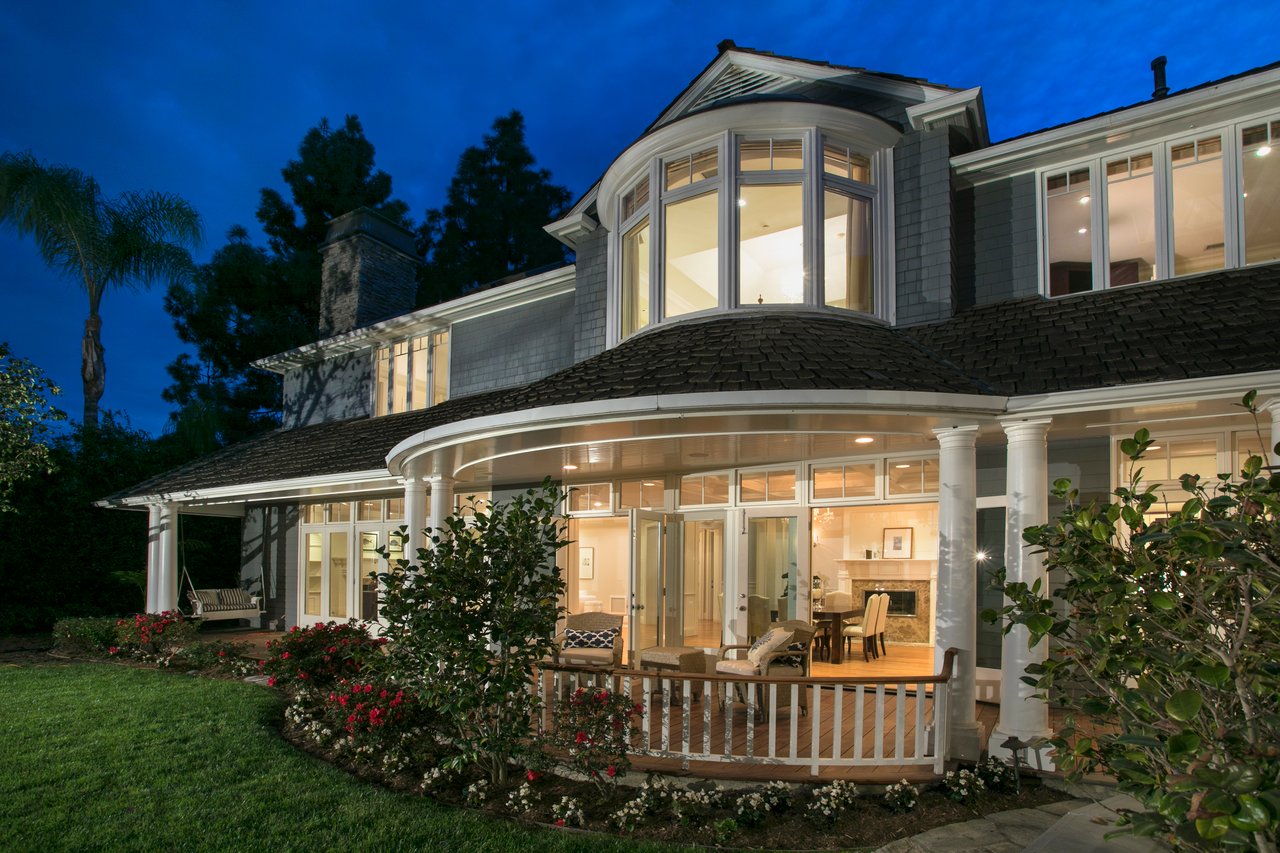
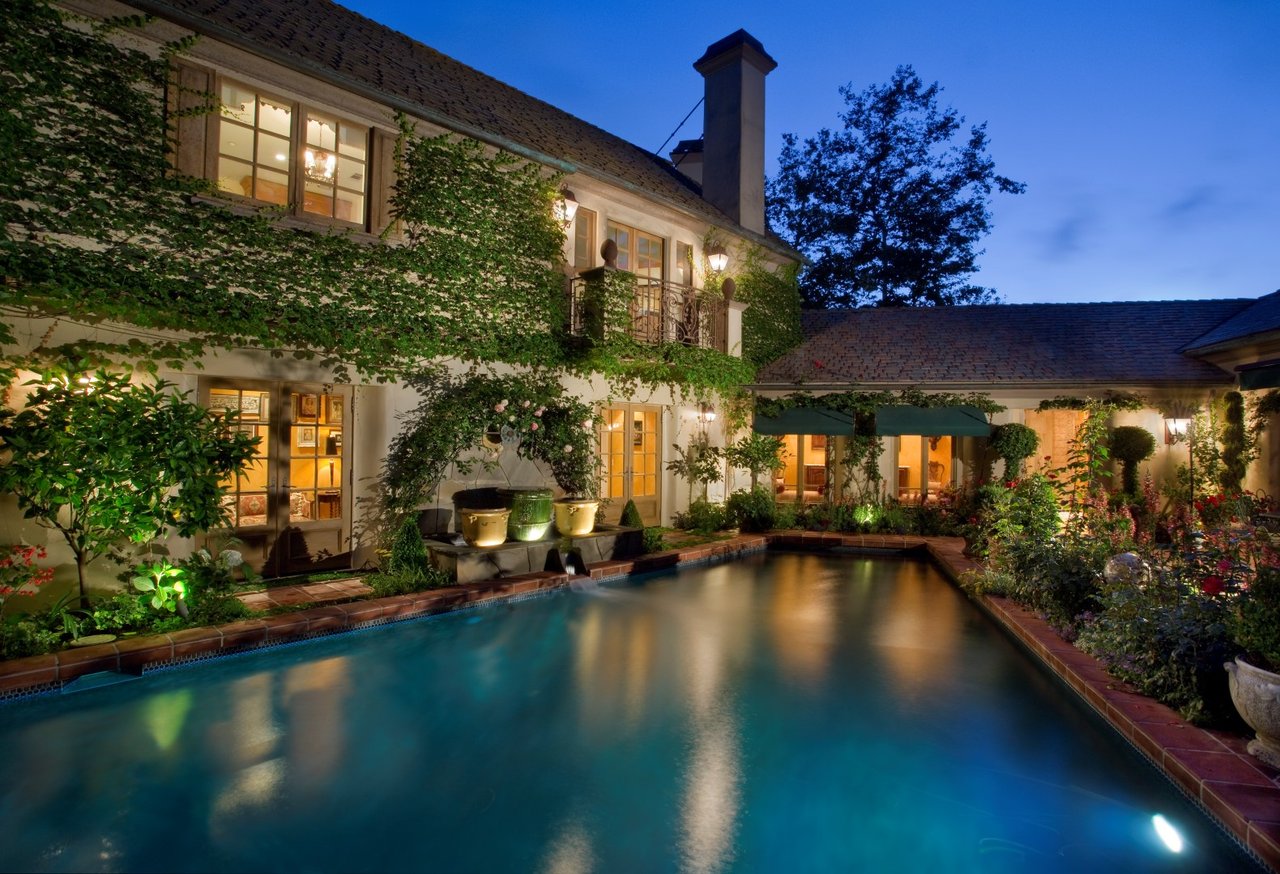
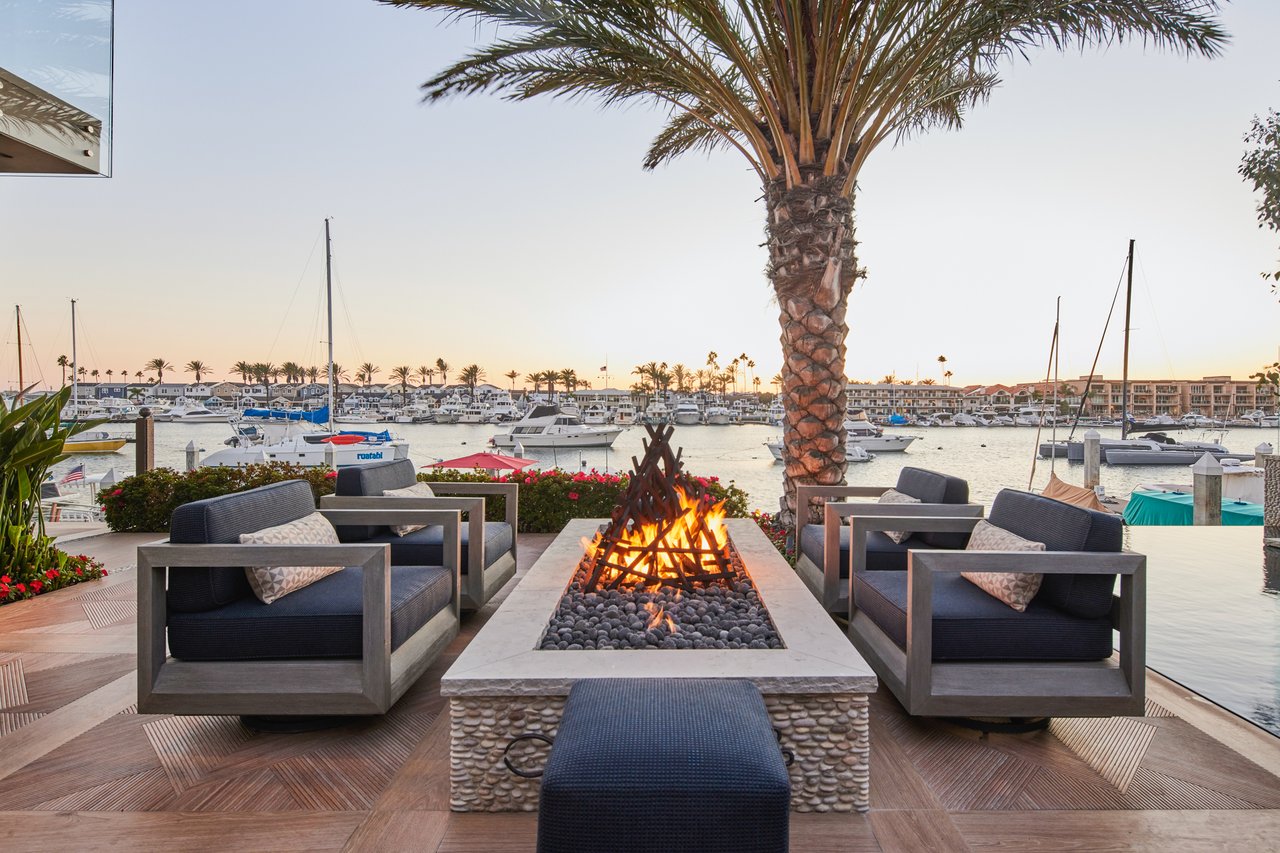
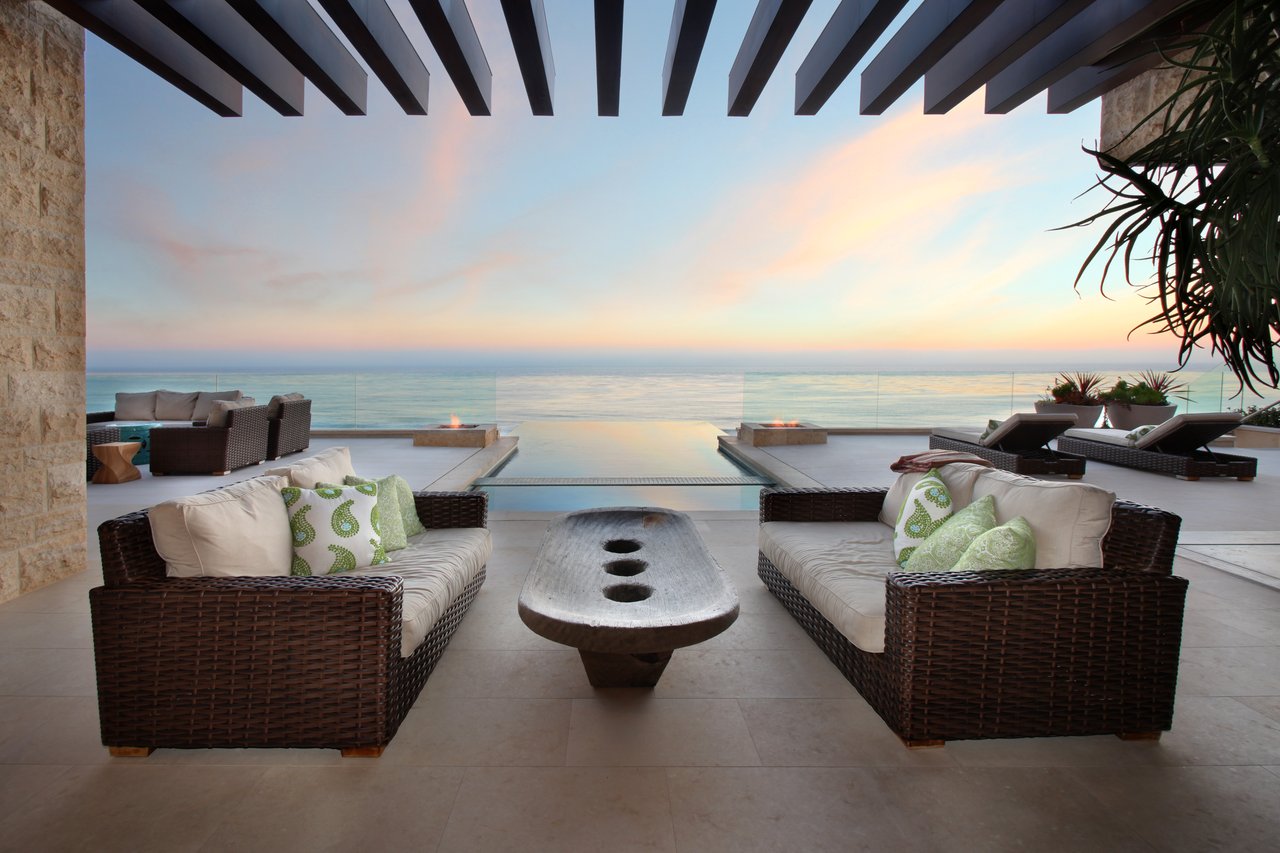
Indoor-outdoor living, done for real. We have the best climate in the country for this, and it is still done badly more often than it is done well. A retractable glass wall that opens to an unshaded, unfurnished patio does not get used. A covered outdoor room with a fireplace, a fan, and a place to eat gets used three hundred days a year. Courtyards, in particular, are having a deserved moment along this coast because they give you daylight, air, and privacy at the same time.
What holds value, and what fades
This is where I try to be genuinely useful rather than simply enthusiastic.
Infrastructure holds value. Anything integrated into the structure of the home tends to hold its value at resale: orientation and glazing, filtration systems, insulation and acoustic treatment, radiant heated floors, plumbing and electrical roughed in for a sauna or steam shower, drainage designed for a cold plunge. A buyer cannot easily add these later, so they price them in.
Equipment depreciates. A cold plunge tub is an appliance. A sauna cabinet is an appliance. They are wonderful, and I recommend them to people who will use them, but they should be bought for your own life rather than as an investment thesis. What the next buyer values is the space and the infrastructure that make the equipment possible.
Some wellness features are already fading. Zillow's data showed listing mentions of juice stations down 19 percent. Single-purpose rooms in general are losing ground to flexible ones. A room that can be a yoga studio now, a study later, and a guest suite eventually will outlast a room that can only do one thing.
Quality of execution matters more than the feature list. A modest, beautifully built spa bath with a soaking tub, a proper steam shower, radiant floors, and natural stone will outperform a larger bath filled with mid-grade fixtures every time. It is the same dynamic behind why turnkey homes in Orange County are still selling above asking price: buyers pay a premium for work they can trust. This is the heart of how I think about luxury: quality, craftsmanship, and longevity rather than quantity.
If you are planning a remodel before selling
The larger question of whether to renovate before selling or list as-is deserves its own conversation, and it depends heavily on your timeline. But if you have decided to invest, here is a rough order of priority based on what I see buyers respond to along this coast:
- Address anything that reads as deferred maintenance first. Salt air is unforgiving, and no wellness upgrade compensates for corroded fixtures or a tired roof.
- Improve light before you improve finishes. A skylight, a widened opening, or a glass door often changes a room more than new tile will.
- Invest in the primary bath. It is the wellness feature buyers evaluate most closely and the one they photograph, which matters more than ever now that staging and presentation are read by AI search as well as by people.
- Add filtration for air and water. Modest cost, disproportionate impression.
- Make one outdoor room genuinely comfortable, with shade, seating, and a heat source.
- Consider sauna infrastructure, meaning the space, power, and drainage, before you consider buying the sauna itself.
If a sale is on the horizon, our broader guide to preparing a home to sell in coastal Orange County covers the sequencing in more detail.
Frequently Asked Questions
What is a wellness home?
A wellness home is a residence designed to support the physical and mental health of its occupants through air and water quality, natural and circadian lighting, acoustic comfort, non-toxic materials, and space dedicated to movement, recovery, and rest. The Global Wellness Institute defines wellness real estate as built environments intentionally designed and operated to support holistic health.
Do wellness features increase home value?
Integrated features tend to hold value best, including glazing and orientation, whole-home air and water filtration, acoustic construction, radiant heat, and roughed-in infrastructure for saunas or steam showers. Portable equipment such as cold plunge tubs and freestanding sauna cabinets is better understood as a lifestyle purchase than an investment. Value depends on the specific home and market, so it is worth reviewing your plans with someone who knows local comparable sales before you commit to a budget.
What is a wellness wing?
A wellness wing is a dedicated group of rooms in a luxury home that bundles recovery functions together, commonly a sauna, cold plunge, steam or treatment room, and a yoga or movement space. It is typically located off the primary suite or with direct access to the outdoors, and it usually requires its own climate zone, ventilation, and water management.
Are cold plunges and saunas worth installing in a coastal California home?
They are worth it if you will use them consistently. The practical considerations here are drainage, ventilation, and corrosion resistance, since coastal humidity and salt air are hard on equipment and finishes. Placing the recovery zone near the pool or off the primary suite, with an outdoor rest area, tends to produce a space people actually use.
What wellness features matter most in Newport Beach, Corona del Mar, and Laguna Beach specifically?
Ventilation and humidity control, corrosion-resistant materials, acoustic treatment on properties near Pacific Coast Highway or village centers, and covered outdoor rooms that work in both the marine layer and full afternoon sun. Daylight strategy also matters more than people expect, given how long our overcast mornings can last in late spring.
A conversation worth having
The most encouraging thing about this shift is that it has moved luxury toward something more meaningful. A home designed around light, air, quiet, and rest is not an extravagance. It is a home that will feel good to live in for the next twenty years, and that quality is exactly what the next buyer will recognize, whether or not they use the word wellness.
If you are thinking through a remodel, evaluating a property, or simply wondering which of these features would matter most in your own house, I would love to talk it through with you. Every home and every family is different, and the right answer is usually more specific than any article can be.
So I will leave you with the question I have started asking my own clients: when you picture your best morning at home, what is happening in it? Very often, the answer tells us exactly which of these features is worth your money.
Sources
- Global Wellness Institute, wellness real estate market data, May 2026.
- Zillow 2026 Home Trends Report, October 2025.