If you only know Laguna Beach from weekend photos and summer postcards, you are missing the part that matters most: what it feels like to actually live there. Daily life here is beautiful, but it is also shaped by roads, terrain, crowds, parking, and the distinct rhythm of each cove and neighborhood. If you are considering a move, a second home, or a sale in Laguna Beach, this guide will help you see the city the way residents do. Let’s dive in.
Laguna Beach Feels Like Small Districts
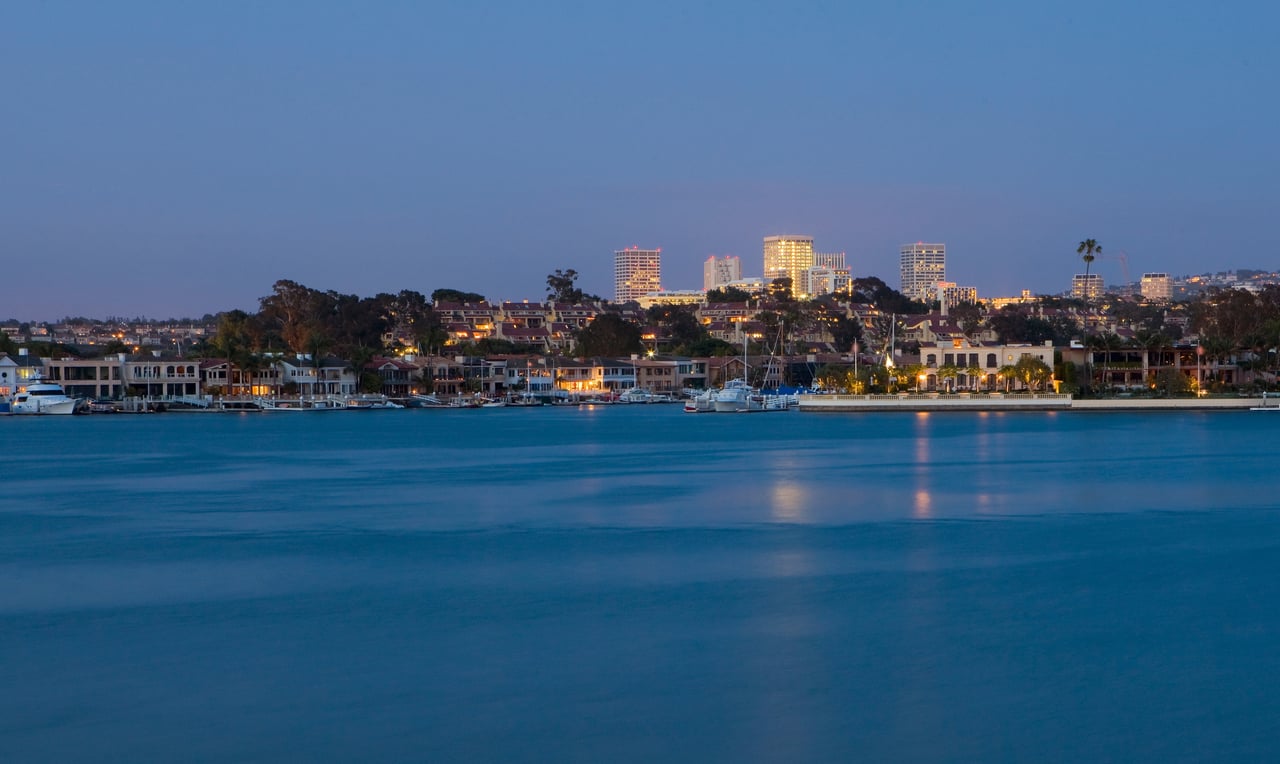
Laguna Beach is a compact coastal city of about 8.84 square miles with roughly 22,500 residents, yet it also welcomes around six million visitors each year. That contrast shapes everyday life. You get a small-town setting with major visitor traffic, especially around beaches, downtown, and festival season.
The city is not laid out like a typical suburban grid. Mountains, greenbelts, and the coastline shape where homes, streets, and daily routes actually go. In practice, that means your experience depends heavily on whether you live near downtown, in North Laguna, South Laguna, or one of the hillside neighborhoods.
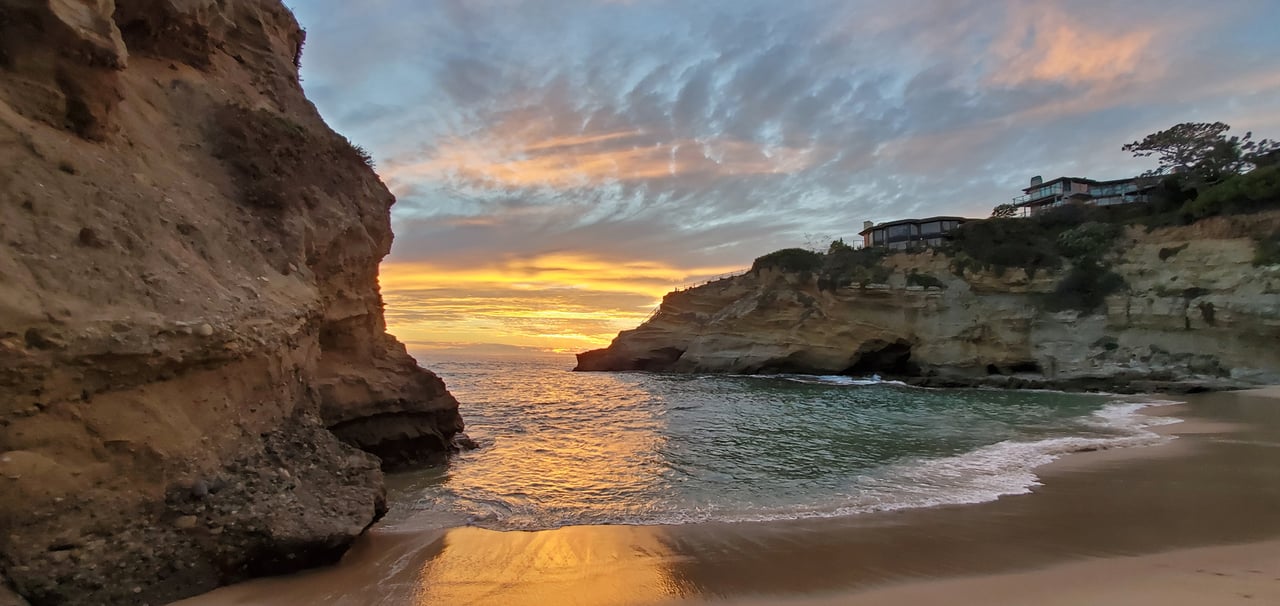
The city also has 26 beaches and coves along about seven miles of protected coastline. That helps explain why Laguna Beach often feels more like a collection of connected enclaves than one uniform beach town. Where you live can change how you shop, commute, exercise, and spend your weekends.
Beach Life Is About Access
Living near the coast does not mean every beach works the same way. In Laguna Beach, each stretch of shoreline has its own routine, access points, crowd patterns, and amenities. That is part of the charm, but it is also part of the practical decision-making if you are choosing where to live.
Main Beach Sets the Pace
Main Beach is the most central everyday beach in town. It sits right where Broadway and Ocean meet Coast Highway and offers a boardwalk, volleyball and basketball courts, restrooms, showers, and easy walking access to downtown restaurants and shops.
If you want the most walkable version of Laguna Beach life, this area shows it best. You can mix beach time with coffee, errands, dinner, and an evening stroll without needing to drive far. It is also one of the most visitor-active parts of town, so energy and convenience come with more foot traffic.
North and South Coves Vary
Crescent Bay, at the north end, is a large cove with restrooms and showers, but the city notes strong shorebreak, rip currents, and crowd levels that can reach 2,000 to 4,000 people. Treasure Island also offers restrooms and showers, though it can get crowded on weekends and hot summer days.
Woods Cove and Lovers Cove are popular for swimming and tide pooling. Victoria Beach is known for skimboarding, body surfing, and tidepooling, but it does not have a public restroom. Thousand Steps is one of South Laguna’s largest beaches and has restrooms at the bottom, though the city also warns of hazardous rip currents.
These details matter more than they may seem at first. If beach access is part of your everyday routine, you will want to think beyond scenery and consider stairs, facilities, parking, and seasonal crowd levels.
Outdoor Living Goes Beyond the Sand
Laguna Beach is not just a beach town. It also functions as an outdoor recreation city with trails, open space, and canyon connections that are part of daily life for many residents.
The city maintains miles of hiking and biking trails with views of the ocean, downtown, hillsides, and canyon areas. Many trailheads are built right into neighborhoods and parks, and many routes connect into Aliso and Wood Canyons. That gives some parts of Laguna a much more active, land-based lifestyle than visitors may expect.
Crystal Cove State Park adds even more variety with 3.2 miles of beach and 2,400 acres of undeveloped land for hiking, camping, horseback riding, surfing, tide pools, and mountain biking. For many homeowners, access to trails can be just as defining as access to the water.
Hillside Living Has a Different Rhythm
Neighborhoods such as Arch Beach Heights, Bluebird Canyon, and Top of the World often feel more connected to trails, canyon views, and fire roads than to a classic walk-to-the-sand routine. That can be a major draw if you want privacy, elevation, and open-space access.
At the same time, hillside living comes with different practical considerations. Road patterns, parking, and evacuation planning are a more visible part of life in these areas than they are in the flatter core of town. Laguna Beach publishes evacuation zones for neighborhoods including Arch Beach Heights, Bluebird Canyon, Canyon Acres, Downtown, Emerald Bay, Irvine Cove, and Top of the World, and it also posts red-flag parking restrictions for select canyon and hillside areas.
The Arts Shape Daily Life
Laguna Beach’s arts identity is not just branding. It is woven into the city’s calendar, streetscape, and local routines.
The city is known for four annual art festivals, with the summer season centered around Sawdust Art Festival, Festival of Arts, Laguna Art-A-Fair, and the Pageant of the Masters in or near Laguna Canyon. During those months, local traffic patterns and activity levels shift in ways full-time residents know well.
Art is also present outside festival season. Public art and mural programs keep creativity visible year-round, and the monthly First Thursdays Art Walk runs from 6 to 9 p.m. with free trolley rides around the area. That gives Laguna evenings a cultural rhythm that feels more lived-in than purely tourist-driven.
The Saturday Farmers Market adds another weekly ritual. It runs from 8:00 a.m. to noon at the Lumberyard Parking Lot with more than 40 vendors and farmers, reinforcing the sense that Laguna Beach functions as a small community with recurring habits, not just a destination.
Homes Have Real Character
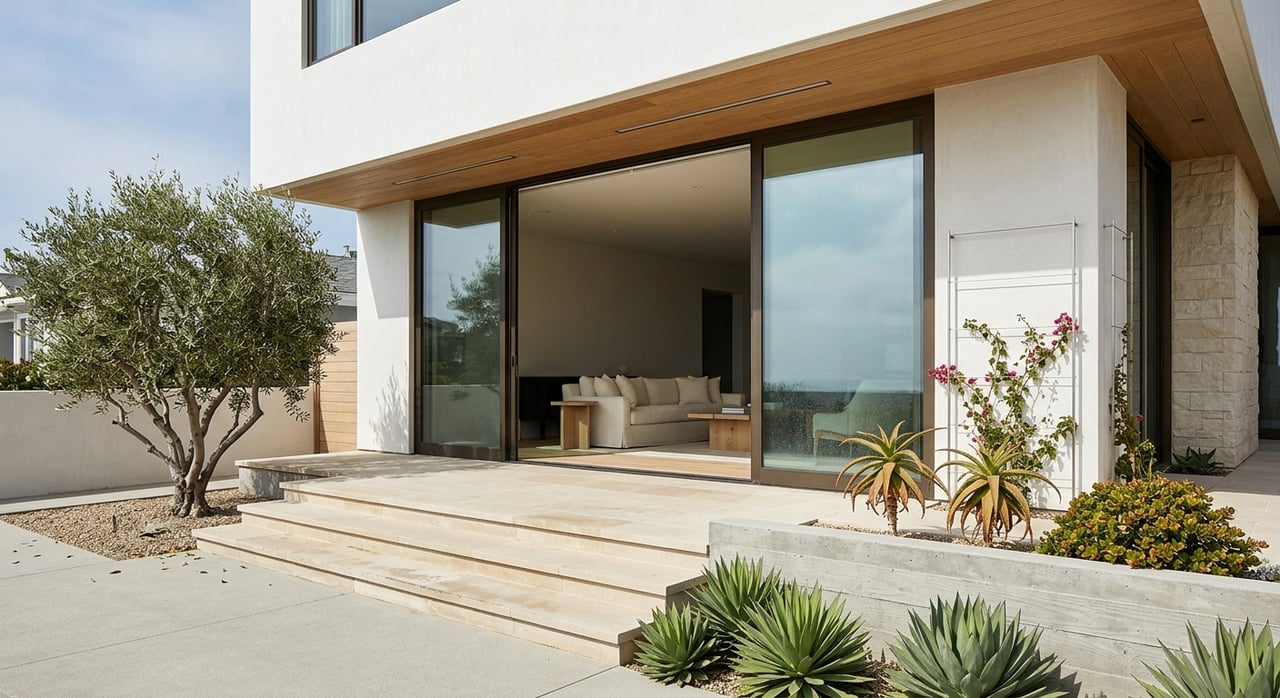
One of the biggest differences between Laguna Beach and many other Orange County communities is the housing stock. The city developed with very little tract housing, and many homes were built one at a time. As a result, architecture is highly varied, with Craftsman, bungalow, beach cottage, Period Revival, Moderne, and eclectic styles all part of the local fabric.
That variety is not just aesthetic. It changes how buyers should think about value, lot usability, views, storage, parking, privacy, and renovation potential. In Laguna Beach, two homes on nearby streets can live very differently.
Older Homes and Village Character
The city notes that beach cottage style is indigenous to Laguna Beach and South Laguna and is especially prevalent in South Laguna. It also reports that about 25% of lower Laguna housing stock predates 1940. In lower Laguna, below High Drive on the north and Temple Hills Drive on the south, old and new homes often sit side by side.
This blend is part of what gives Laguna its village character. It is also why buying or selling here often requires a more nuanced understanding of architecture, setting, and block-by-block differences than in more uniform neighborhoods.
A city example, the Hortense Miller Home and Garden, shows how some Laguna homes are shaped as much by terrain and landscape as by a conventional suburban lot plan. Steep sites, canyon edges, and view-oriented layouts are part of the local housing story.
Getting Around Depends on Where You Live
One of the most common questions about Laguna Beach is whether you can live car-light. The short answer is yes, in some locations, but not everywhere.
Downtown and the Main Beach area offer the strongest mix of walkability and transit support. The city runs free trolley service along the coast between North Laguna, downtown, South Laguna, Mission Hospital, and the Ritz Carlton in Dana Point. It also offers Laguna Local, a free on-demand service with more than 150 pickup and drop-off locations and an average wait time of 15 to 30 minutes.
Still, transit works best as a supplement to driving, not a complete replacement. Parking can be limited, and some areas have three-hour metered parking or constrained access. If you live in hillside neighborhoods or south-cove areas, a car will likely remain a central part of daily life.
The Lifestyle Tradeoffs Are Real
Laguna Beach offers an exceptional coastal lifestyle, but it is not effortless in the way glossy imagery can suggest. Roads funnel through a small number of routes, including Pacific Coast Highway and the Laguna Canyon corridor. On busy days, that matters.
The city’s numbers also reinforce what kind of market this is. Census QuickFacts shows a 66.1% owner-occupied housing rate, an average household size of 2.08, a 30.1% share of residents age 65 and over, a median owner-occupied home value above $2,000,000, a median gross rent of $2,986, and a mean travel time to work of 29 minutes. In other words, Laguna Beach is an established, ownership-heavy coastal market with high property values and a mature residential base.
For many buyers, that is exactly the appeal. You are not choosing Laguna for cookie-cutter convenience. You are choosing it for architectural individuality, a stronger sense of place, direct access to beaches and trails, and a lifestyle that feels both cultivated and distinctly local.
What Living Here Really Means
Beyond the postcards, Laguna Beach is a city of micro-locations, recurring rituals, and practical choices. Your daily life may center on Main Beach walks, canyon trailheads, farmers market Saturdays, art nights, or a favorite cove that feels almost like your own. But it will also be shaped by traffic timing, parking strategy, terrain, and the realities of a small coastal city with global appeal.
That is why buying or selling in Laguna Beach works best with a clear-eyed view of how the city actually functions. The details matter here, from beach access and neighborhood layout to home style, lot conditions, and lifestyle fit.
If you are considering a move, a second home, or a sale in Laguna Beach, Vasu Team offers the local market knowledge, valuation insight, and polished guidance to help you make a confident decision.
FAQs
What is daily life like in Laguna Beach for full-time residents?
- Daily life in Laguna Beach often feels neighborhood-specific, with routines shaped by beach access, canyon roads, walkability, outdoor recreation, and a recurring calendar of arts and community events.
Can you live without a car in Laguna Beach?
- You may be able to live car-light in downtown or near Main Beach, where walkability and trolley access are strongest, but many hillside and south-cove neighborhoods are more car-dependent.
Which Laguna Beach areas feel most beach-centric?
- Main Beach is the most central everyday beach, while Crescent Bay, Treasure Island, Woods Cove, and Thousand Steps each offer different access patterns, amenities, and crowd levels.
What makes Laguna Beach homes different from other Orange County homes?
- Laguna Beach has very little tract housing, so many homes were built individually and reflect a varied mix of architectural styles, terrain conditions, and view-oriented layouts.
Is Laguna Beach only about the beach lifestyle?
- No. Laguna Beach also offers extensive hiking and biking trails, canyon open space, arts programming, farmers market routines, and neighborhood-specific outdoor living beyond the shoreline.
What should buyers consider when choosing a Laguna Beach neighborhood?
- Buyers should look closely at walkability, beach access, parking, road patterns, terrain, evacuation planning, and how each area’s daily rhythm fits their lifestyle.